In short
- In trust-based services, people choose a person before they choose a service.
- You can build the brand on your name, on a new name, or on both. Each has its trade-offs.
- A personal brand identity needs a mark with your story in it, one consistent look everywhere, and real photos of you.
- Build it so it can grow with you: new services, a team, even a future sale.
When clients buy you
Some purchases are about the product. Others are about the person. Nobody hands their home search, their wedding day or their mental health to a logo. They hand it to someone they trust.
That is why personal brands are so powerful in service businesses. Before anyone contacts you, they look you up: your website, your Instagram, your reviews, maybe a video of you talking. Every one of those touchpoints either builds that trust or quietly chips away at it.
It is true for us as well. Clients may find Graphstorm first, but they decide to work with the two of us.
People don’t hire a logo. They hire the person they feel they already know.
Your name, a new name, or both
The first decision is what the brand is called. There are three common routes, and we have designed brands for all of them.
Angeline Martinez, Realtor®
Your reputation and your brand become one. The strongest route for trust, but harder to step back from, or to sell one day.
Lumeo Films
Room to grow beyond one person: a team, a second shooter, a studio. You have to work a little harder to show the people behind it.
Thana Guidance
Your name, plus a word that says what you do. Personal and clear at the same time, with space to evolve.
There is no wrong answer. Ask yourself one question: in five years, will clients still expect to work with you personally? If yes, your name is a strong foundation. If you plan to build a team around you, a new name gives you more room.
What a personal brand identity needs
A mark with your story in it
Generic symbols say what you do, but not who you are. A house for a realtor, a camera for a photographer, a lotus for a therapist: clients have seen them all a hundred times. The strongest personal brands put something of the person into the mark, so it can only belong to them.
One look, everywhere
Clients meet you on Instagram, then on your website, then on a business card or in an email. If each one looks different, it feels like meeting three different people. Use the same logo versions, colors and fonts everywhere, and your brand starts to feel familiar, which is the first step to trust. We explain the full system in Logo vs brand identity.
Real photos of you
Stock photos are the fastest way to make a personal brand feel impersonal. Invest in one good photo shoot: a few portraits, you at work, your space. In a personal brand, your face is part of the identity.
A voice that sounds like you
The way you write your captions, emails and About page matters as much as the visuals. Write the way you talk to clients. If your work is warm and personal, your words should be too.
Three personal brands we designed
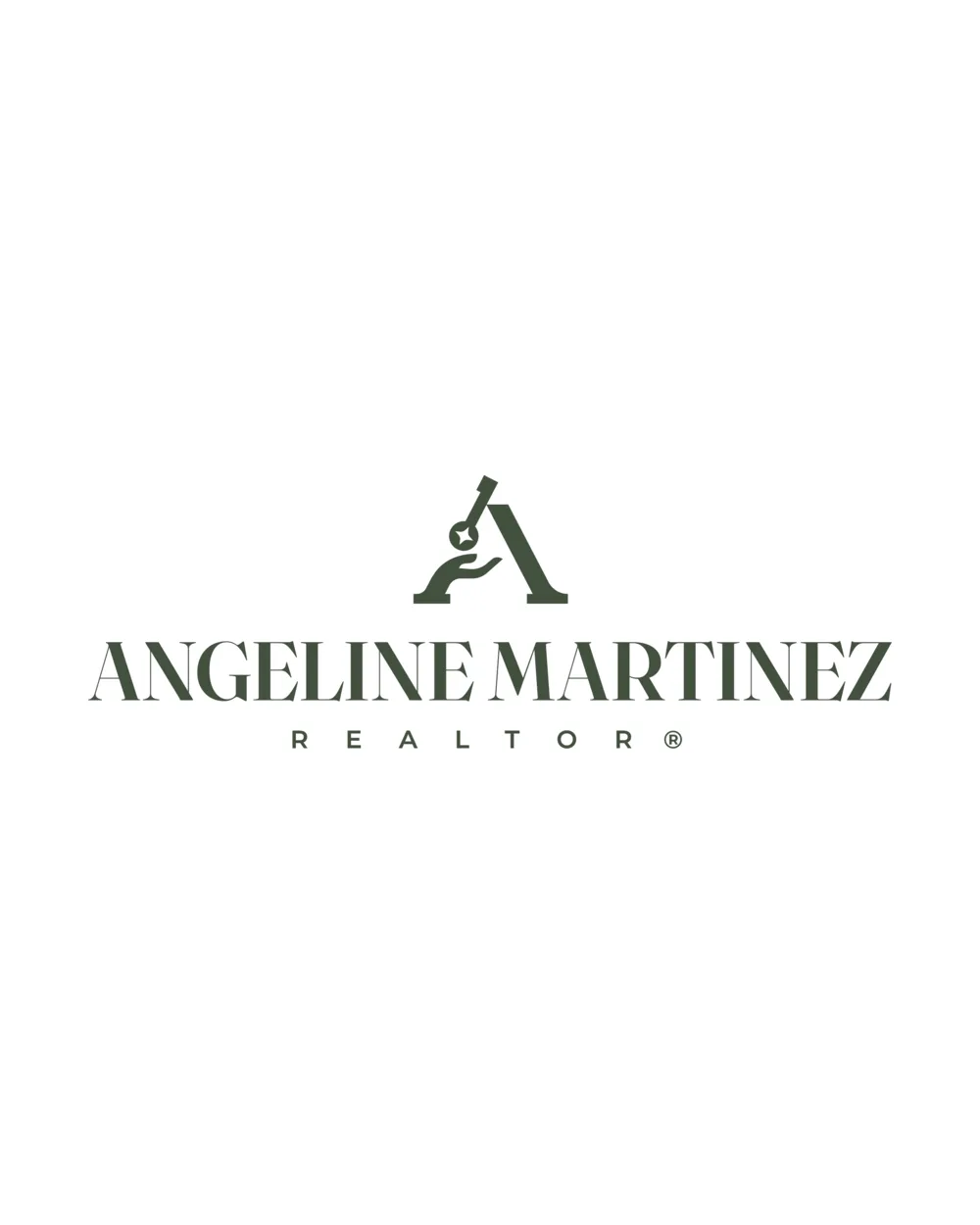
Angeline: building trust from day one
Angeline came to us as she was starting her career in real estate, where the agent is the brand. We built the identity around her name, and put the experience her clients will remember into the mark: a hand reaching for a key forms the “A”. From her first listing, she looks like the trusted agent she wants to be known as.
Lumeo Films: two people, one story
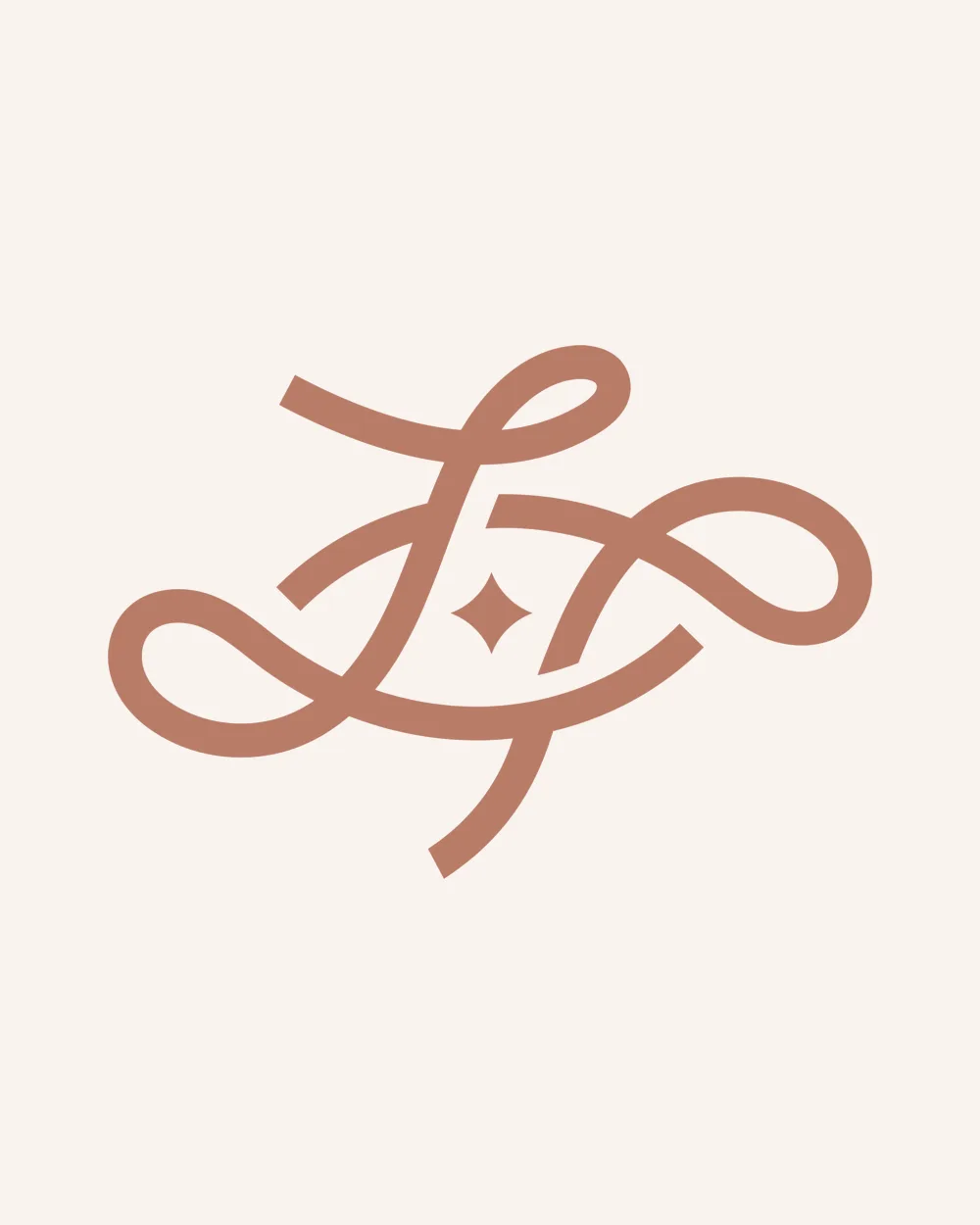
Lumeo is run by a couple who spent years behind the camera before launching their own wedding film brand. A new name gave the brand room to belong to both of them, and the monogram keeps the people visible: their L and F intertwined around a spark of light.
Thana Guidance: rebuilding trust
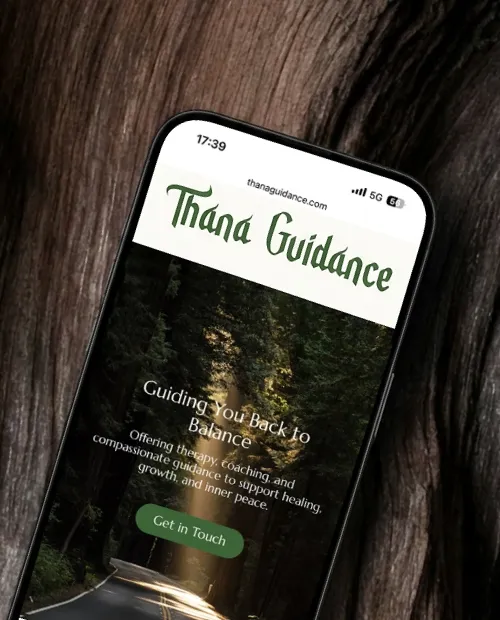
Thana came to us after disappointing experiences with designers who hadn’t captured her vision. Her work in therapy and personal growth is deeply personal, so the identity had to feel warm and credible at the same time. A few weeks after the brand identity was finished, she came back to us to build her website on the same foundation.
Common mistakes
- Looking like a template. If your logo came from the same template as hundreds of others in your field, clients can’t tell you apart.
- Hiding behind stock photos. They make you look like everyone else, at exactly the moment people want to see you.
- Every profile tells a different story. A different photo, bio and color on each platform makes you harder to recognize and harder to trust.
- Copying the big names. A style borrowed from a famous brand rarely fits a personal one. We wrote about why in You don’t love the Nike logo. You love Nike.
- Designing only for today. No small version for a profile picture, no wide version for a sign or a van, nothing that works in one color.
Will it still work when you grow?
A worry we hear often: if the brand is my name, what happens when I hire, add services or want to sell one day? You can plan for that from the start:
- A symbol that works on its own, so it can carry the brand even when your name steps back.
- A descriptor such as Realtor®, Films or Guidance, which says what you do and can change as you grow.
- A system, not just a logo, so new team members can create materials that still look like you.
A quick checklist to start
- Decide on your name, a new name, or both.
- Write down the one feeling you want clients to have: calm, confidence, joy.
- Get a logo with a story, with versions for small and wide spaces.
- Choose a palette and fonts, and use them everywhere.
- Book a photo shoot for real portraits of you and your work.
- Update every profile so they match: same photo, same bio, same colors.
In a personal brand, the identity isn’t a mask you put on. It is a way of showing people, clearly and consistently, who they will be working with. Get that right, and the right clients recognize you before you even say a word.